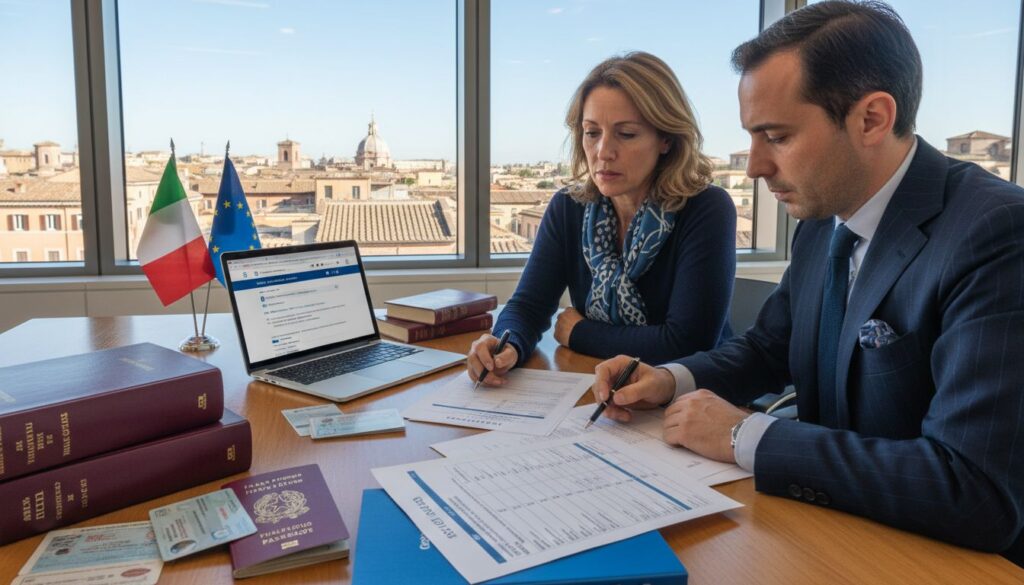
Choosing how to own property in Italy can shape everything from your tax bill to your long-term financial security. More than 80 percent of Italian households own their primary residence, yet the paths to ownership are far from simple. Whether you are buying alone, sharing rights, or investing as a company, each structure comes with its own risks and rewards. Understanding these options gives you real control and can help you protect your investment for years to come.
Table of Contents
- Sole Ownership: Full Control And Responsibilities
- Joint Ownership: Shared Rights For Multiple Owners
- Community Of Property: Married Or Civil Partners
- Usufruct: Right To Use Without Full Ownership
- Bare Ownership: Property Without Usufruct Rights
- Trust Ownership: Managing Properties As A Trustee
- Company Or Corporate Ownership: Investing As A Business
Quick Summary
| Takeaway | Explanation |
|---|---|
| Choose Sole Ownership for Maximum Control | Sole ownership offers complete control and financial responsibility, ideal for hands-on investors. |
| Establish Clear Agreements in Joint Ownership | Joint ownership requires documented agreements to ensure clarity on rights, responsibilities, and decision-making. |
| Understand Community Property Rules for Couples | Couples should be aware of community property laws that equalize ownership of assets acquired during marriage. |
| Leverage Usufruct for Flexible Property Use | Usufruct allows use of property without ownership, useful for family inheritance arrangements. |
| Utilize Corporate Ownership for Strategic Investments | Companies benefit from legal separation and potential tax advantages when investing in real estate through corporate ownership. |
1. Sole Ownership: Full Control and Responsibilities
Sole ownership represents the most straightforward property ownership structure in Italy, where an individual holds complete legal rights and full responsibility for a property. When you choose sole ownership, you gain maximum control over your real estate investment while simultaneously accepting all associated legal and financial obligations.
Research examining Italian property taxation reveals critical insights into the dynamics of sole ownership. According to studies from Ideas RePEC, sole property owners face complex tax considerations that evolve significantly over time. These tax implications can substantially impact your investment strategy and financial planning.
Key Characteristics of Sole Ownership Include:
- Complete legal control over the property
- Sole responsibility for maintenance and repairs
- Full financial liability for property related expenses
- Direct decision making power regarding property use
As a sole property owner in Italy, you benefit from having unrestricted authority to modify, lease, sell, or inhabit the property without requiring consent from other stakeholders. This autonomy comes with significant responsibilities, particularly regarding tax compliance and property management.
Practically speaking, sole ownership works best for individuals who want direct control and are prepared to manage all aspects of property ownership independently. You should have a clear financial plan, understand local tax regulations, and be ready to handle potential maintenance challenges that arise with full property responsibility.
2. Joint Ownership: Shared Rights for Multiple Owners
Joint ownership represents a sophisticated property arrangement in Italy where multiple individuals share legal rights and responsibilities for a single property. This ownership structure allows several people to collectively invest in and manage real estate while distributing financial burdens and decision making responsibilities.
Key Characteristics of Joint Ownership Include:
- Shared legal rights to the property
- Distributed financial responsibilities
- Collective decision making processes
- Proportional ownership percentages
Legal Frameworks and Implications
Each co owner has specific rights proportional to their investment percentage, which means your decision making power and financial obligations are directly linked to your ownership share.
Practically speaking, joint ownership works best when co owners establish clear communication channels and documented agreements. You should create a comprehensive contract that outlines:
- Percentage of ownership for each party
- Financial contribution expectations
- Decision making protocols
- Maintenance and repair responsibilities
- Procedures for potential property sale or transfer
3. Community of Property: Married or Civil Partners
Community property represents a unique legal framework in Italy where married or registered civil partners share ownership of assets acquired during their union. This ownership structure automatically applies unless couples specifically choose an alternative arrangement through written agreement.
Key Principles of Community Property Include:
- Automatic shared ownership of assets acquired during marriage
- Equal legal rights for both partners
- Joint consent required for property transfers
- Proportional financial responsibilities
Practical Considerations for Couples:
If you are married or in a civil partnership in Italy, understanding community property rules is essential. You should:
- Discuss property ownership preferences before marriage
- Consider drafting a written agreement specifying your desired ownership structure
- Maintain transparent financial records
- Understand that both partners have equal rights to jointly acquired assets
While community property offers protection and equality, it also requires open communication and mutual financial planning. Each partner gains security through shared ownership while maintaining collective responsibility for property management.
4. Usufruct: Right to Use Without Full Ownership
Usufruct represents a unique property right in Italian law that allows an individual to use and enjoy a property without actually owning its full legal title. This sophisticated legal concept enables someone to occupy and benefit from a property while the underlying ownership remains with another party.
Key Characteristics of Usufruct Include:
- Right to use and enjoy a property
- No legal ownership of the underlying property
- Temporary nature of usage rights
- Limited ability to modify the property
In practical terms, usufruct often emerges in family inheritance scenarios. For example, parents might transfer property ownership to their children while retaining the right to live in the home for their lifetime. This arrangement provides financial security for the older generation while facilitating intergenerational property transfer.
Practical Considerations for Usufruct Holders:
- Understand the specific terms of your usage rights
- Maintain the property in its original condition
- Recognize that you cannot sell or fundamentally alter the property
- Plan for the eventual expiration of your usage rights
Usufruct offers a nuanced approach to property occupation that balances user needs with underlying ownership rights. It provides flexibility for families and individuals seeking creative property arrangements that go beyond traditional ownership models.

5. Bare Ownership: Property Without Usufruct Rights
Bare ownership represents a unique legal concept in Italian property law where an individual holds the legal title to a property without the immediate right to use or occupy the space. This intricate ownership structure allows property owners to possess the underlying asset while another party retains the right to use the property.
Key Characteristics of Bare Ownership Include:
- Legal ownership of the property title
- No immediate right to occupy or use the property
- Potential future possession rights
- Restricted control over property utilization
In practical scenarios, bare ownership often emerges in family inheritance situations. For instance, parents might transfer the legal title to their children while retaining usufruct rights to live in the property during their lifetime. This arrangement allows for strategic intergenerational property transfer while protecting the current occupants’ living arrangements.
Practical Considerations for Bare Ownership:
- Understand the specific limitations of your property rights
- Recognize the temporary nature of your ownership status
- Plan for potential future occupation
- Consider the long term financial implications
Bare ownership offers a sophisticated approach to property management that balances immediate usage rights with long term ownership potential. It provides a flexible solution for families and investors seeking creative property transfer strategies.
6. Trust Ownership: Managing Properties as a Trustee
Trust ownership represents a sophisticated property management approach in Italy where a designated trustee holds legal responsibility for managing property assets on behalf of beneficiaries. This legal structure provides a robust framework for protecting and administering property interests with professional oversight.
Key Characteristics of Trust Ownership Include:
- Legal management of property by a designated trustee
- Clear fiduciary responsibilities
- Protection of beneficiary interests
- Professional asset administration
Practical Considerations for Trustees:
- Understand your complete legal and financial obligations
- Maintain meticulous documentation of all transactions
- Act in the best interests of property beneficiaries
- Provide regular and transparent reporting
Trust ownership offers a powerful mechanism for professional property management. By appointing a trustee with specialized knowledge, property owners can ensure their assets are managed efficiently professional and with robust legal protection.
7. Company or Corporate Ownership: Investing as a Business
Corporate ownership represents a strategic approach to property investment in Italy where businesses can acquire and manage real estate assets through formal legal entities. This ownership structure provides companies with unique financial and legal advantages when investing in property markets.
Key Characteristics of Corporate Property Ownership Include:
- Legal separation between business and property assets
- Potential tax optimization opportunities
- Enhanced liability protection
- Simplified investment and transfer processes
Practical Considerations for Corporate Property Investment:
- Conduct thorough due diligence on potential properties
- Understand specific tax implications for corporate ownership
- Develop a clear long term investment strategy
- Consult with legal and financial professionals specializing in Italian corporate law
Corporate ownership offers businesses a robust framework for property investment. By leveraging formal legal structures, companies can protect their assets optimize their investment potential and navigate the complex Italian real estate market with greater confidence and strategic insight.
Property Ownership Types Comparison
| Type of Ownership | Key Characteristics | Best For |
|---|---|---|
| Sole Ownership | Complete legal control, full financial liability, direct decision making | Individuals desiring full control and responsibility |
| Joint Ownership | Shared legal rights, distributed financial responsibilities, collective decision making | Multiple individuals wanting shared investment and management |
| Community of Property | Shared ownership of assets during marriage, equal legal rights | Married or civil partners seeking equal asset ownership |
| Usufruct | Right to use property without owning it, temporary usage rights | Individuals needing occupancy without ownership responsibilities |
| Bare Ownership | Legal title without usage rights, potential future possession | Family inheritance scenarios or strategic investment |
| Trust Ownership | Managed by trustee, protected beneficiary interests, professional administration | Property owners seeking professional management |
| Corporate Property Ownership | Legal separation of business and property, tax opportunities | Businesses investing in property markets |
Navigate Italian Property Ownership with Expert Legal Support
Understanding the complexities of property ownership in Italy can feel overwhelming. From sole ownership’s full responsibilities to the nuances of usufruct or corporate ownership, each type comes with distinct legal and financial challenges. If you want to avoid costly mistakes and secure your investment with confidence, it is essential to have personalized guidance tailored to your specific situation.
At Avv. Alfredo Esposito, we specialize in helping expatriates and international clients decode Italian property law and take control of their real estate decisions. Whether you are dealing with joint ownership agreements, community property between spouses, or trust structures, our clear, English-language legal advice ensures you understand every step.
Frequently Asked Questions
Sole ownership entails complete legal control over a property, meaning you are fully responsible for maintenance and all financial liabilities. To ensure smooth property management, develop a detailed financial plan that outlines tax obligations and maintenance duties.
In joint ownership, all parties share decision-making responsibilities proportional to their ownership percentages. Establish clear communication and a comprehensive agreement to outline decision protocols and contributions, helping to prevent conflicts.
Couples should understand that community property laws automatically apply to assets acquired during marriage unless specified otherwise. Discuss your property preferences before marriage and consider drafting a written agreement to clarify ownership arrangements.
Usufruct allows individuals to use a property without owning it, making it useful in inheritance situations. If planning for an inheritance, clearly define usufruct terms to ensure both parties understand their rights and responsibilities regarding property usage.
As a bare owner, you legally hold the property title but have no immediate right to occupy it. Understand the limitations of your ownership and plan for potential future occupancy, ensuring that you are aware of the long-term financial implications.
Corporate ownership allows businesses to separate their assets while enjoying potential tax optimization and enhanced liability protection. For effective property investment, conduct thorough due diligence and develop a clear long-term strategy that aligns with corporate goals.